
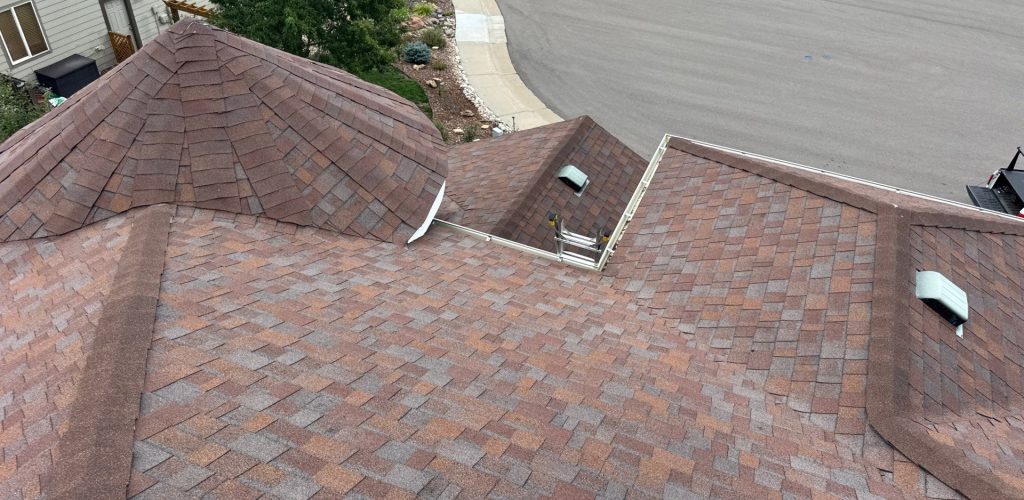

Colorado’s Front Range and high plains face hail and windstorms more frequently than almost anywhere else in the country, and after a severe weather event, your roof often takes the brunt of the damage. When filing a claim with your homeowners insurance carrier, a single misstep in documentation, timing, or contractor selection can delay settlement, reduce your payout, or even lead to a denial. Understanding the most common pitfalls before you file protects both your investment and your family’s safety during what is already a stressful process.
Roof insurance claim mistakes include failing to document damage immediately after a storm, not obtaining a professional inspection before the adjuster visit, misunderstanding your policy’s replacement cost value (RCV) versus actual cash value (ACV) payment structure, neglecting to compare your contractor’s estimate with the insurer’s scope of loss, and hiring unlicensed or storm-chasing contractors. Colorado homeowners must also report damage as soon as practicable—often within roughly one year of the loss—because delays weaken evidence and create disputes over which storm caused the damage. Avoiding these errors requires prompt action, thorough photo documentation, clear policy review, coordinated adjuster meetings, and meticulous record-keeping throughout the entire claim process.
TABLE OF CONTENTS
- Common Roof Insurance Claim Mistakes Colorado Homeowners Make After Storm Damage
- Mistake #1 — Failing to Document and Inspect Before Filing Your Claim
- Mistake #2 — Misunderstanding Your Policy Terms and Payment Structure
- Mistake #3 — Not Comparing Estimates and Missing Critical Claim Steps
- Mistake #4 — Poor Contractor Selection and Improper Temporary Repairs
- Protect Your Investment by Avoiding These Roof Insurance Claim Mistakes
KEY TAKEAWAYS
- Learn which documentation and inspection errors lead to denied or reduced storm damage claims in Colorado
- Capture detailed photo evidence and schedule a professional roof inspection before your insurance adjuster arrives
- Understand how replacement cost value and actual cash value affect your final payout and out-of-pocket expenses
- Request written estimates from licensed contractors and match them line-by-line against your insurer’s scope of loss
- Verify contractor credentials and avoid unlicensed storm chasers who disappear before warranty or workmanship issues surface
- Follow a proven claim process to secure full settlement and long-term protection for your home
The sections below walk you through the most critical errors Colorado homeowners make during the roof claim process—from initial damage documentation and policy interpretation to contractor vetting and final settlement—so you can protect your payout and avoid the delays that turn a manageable repair into a financial headache.
Common Roof Insurance Claim Mistakes Colorado Homeowners Make After Storm Damage
Colorado’s severe weather season brings hailstorms and high winds that can shatter shingles, crack flashing, and compromise your roof’s structural integrity in minutes. After the storm passes, homeowners often rush to file claims without understanding the process, leading to roof insurance claim mistakes that cost thousands in reduced payouts or outright denials. Insurance carriers require specific documentation, strict timelines, and clear proof that damage resulted from a covered peril, and any gap in your evidence gives adjusters reason to dispute your claim or attribute damage to wear and tear instead of the recent storm.
The most damaging errors occur in the first seventy-two hours after a weather event, when homeowners fail to photograph damage, delay professional inspections, or accept verbal assurances from contractors without verifying credentials. Each misstep weakens your negotiating position and extends the settlement timeline, leaving your home exposed to secondary water damage and mold growth. Understanding these pitfalls before you contact your insurer ensures you gather the right evidence, follow the correct sequence of steps, and protect your financial recovery. For insight into how storm conditions develop across the region, review our Colorado hailstorm activity update to see why proactive documentation is critical.
Mistake #1 — Failing to Document and Inspect Before Filing Your Claim
The single most common of all roof insurance claim mistakes is failing to capture detailed photo and video evidence immediately after the storm. Insurance adjusters visit your property days or even weeks later, and without timestamped images showing the extent and location of damage, they can argue that hail dents or missing shingles resulted from a previous event or normal aging. Take close-up shots of every damaged shingle, dented vent, cracked flashing, and any debris in gutters, then capture wide-angle photos showing the overall roof condition and surrounding property for context.
Equally critical is scheduling a professional roof inspection before your insurance adjuster arrives, because a licensed contractor can identify hidden damage—such as compromised underlayment or cracked decking—that untrained eyes miss. Your contractor’s written report serves as independent verification of storm-related loss and provides a detailed scope of necessary repairs that you can compare against the adjuster’s initial estimate. Skipping this step leaves you reliant solely on the insurer’s assessment, which may underestimate damage to minimize payout. Homeowners who want to catch issues early should consult our guide on critical hail damage warning signs to understand what to look for during your own preliminary walk-around.
Mistake #2 — Misunderstanding Your Policy Terms and Payment Structure
Many Colorado homeowners discover too late that their policy pays actual cash value (ACV) rather than replacement cost value (RCV), leading to significant out-of-pocket expenses when repairs begin. ACV settlements deduct depreciation based on your roof’s age and condition, so a ten-year-old roof might receive only sixty percent of the replacement cost in the initial check, with the remainder paid after you complete repairs and submit final invoices. Failing to understand this payment structure is one of the most expensive roof insurance claim mistakes, because homeowners budget for the first check amount and then face a funding gap when contractors require full payment upfront.
Review your policy declarations page before filing to confirm coverage type, deductible amount, and any endorsements or exclusions that affect roof claims. Some carriers impose wind and hail deductibles calculated as a percentage of your dwelling coverage—often one or two percent—which can mean a five-thousand-dollar or higher deductible on a five-hundred-thousand-dollar policy. Understanding these terms in advance allows you to plan financing, negotiate payment schedules with contractors, and avoid surprises during settlement. For a detailed breakdown of how these payment structures work, read our article on ACV versus RCV roof coverage to see exactly how depreciation affects your final payout.
Mistake #3 — Not Comparing Estimates and Missing Critical Claim Steps
Accepting your insurance adjuster’s scope of loss without obtaining an independent contractor estimate ranks among the most costly roof insurance claim mistakes Colorado homeowners make. Adjusters work for the carrier and may overlook damage, use lower-grade materials in their estimate, or exclude necessary line items such as ice and water shield upgrades or ventilation repairs. A licensed roofing contractor who inspects your property can identify discrepancies, document additional damage, and provide a detailed estimate that matches industry standards and local building codes, giving you leverage to negotiate a fair supplement with your insurer.
Beyond estimate comparison, homeowners often miss critical procedural steps such as requesting a reinspection when new damage appears, filing timely supplements for hidden issues discovered during tear-off, or keeping meticulous records of every email, photo, and invoice throughout the claim. These documentation gaps create disputes during settlement and delay final payment, leaving contractors unpaid and your home vulnerable to weather exposure. Maintain a dedicated claim file with dated notes of every phone call, copies of all correspondence, and receipts for temporary repairs or emergency services. Homeowners planning major work should also explore roof replacement financing options to bridge any gap between insurance payout and total project cost.
Mistake #4 — Poor Contractor Selection and Improper Temporary Repairs
Hiring an unlicensed or out-of-state storm-chasing contractor is one of the most damaging roof insurance claim mistakes because these operators often disappear after collecting deposits, perform substandard work, or fail to honor warranties when defects surface months later. Colorado requires roofing contractors to hold both a state license and proper liability and workers’ compensation insurance, yet storm chasers frequently operate without credentials and pressure homeowners into signing contracts before they review their insurance settlement. Always verify a contractor’s license status through the Colorado Department of Regulatory Agencies, request proof of insurance, and check references from recent local projects before signing any agreement.
Equally problematic is making permanent repairs before your adjuster completes the inspection, because insurers can deny claims when they cannot verify the original damage. Temporary measures—such as tarping a leaking section or boarding a broken skylight—are acceptable and often required to prevent further loss, but replacing shingles or repairing flashing before the adjuster visits eliminates evidence and gives the carrier grounds to dispute causation. Document all emergency repairs with photos and receipts, and notify your insurer immediately that you took mitigation steps to prevent additional damage. For guidance on choosing qualified professionals, review our post on risks of underpriced roofing to understand why the lowest bid often signals poor workmanship or unlicensed labor.
Protect Your Investment by Avoiding These Roof Insurance Claim Mistakes
Avoiding roof insurance claim mistakes requires a disciplined approach that begins the moment a storm passes and continues through final settlement and repair completion. Document damage immediately with comprehensive photos and video, schedule a professional inspection before your adjuster arrives, and review your policy terms to understand payment structure and coverage limits. Compare your contractor’s detailed estimate against the insurer’s scope of loss line by line, and request written explanations for any discrepancies or excluded items that affect the safety or longevity of your roof system.
Equally important is selecting a licensed, insured, and locally established contractor who will stand behind their work long after the claim closes and who can navigate the supplement process when hidden damage emerges during tear-off. Keep meticulous records of every interaction, invoice, and repair, and follow up promptly on any outstanding issues or payment delays. By taking these proactive steps, you protect both your insurance settlement and your home’s structural integrity, ensuring that storm damage does not become a long-term financial burden. Homeowners preparing for the next weather season should also consult our spring roof inspection checklist to identify vulnerabilities before the next hailstorm strikes.
Navigating a roof insurance claim after storm damage demands attention to detail, timely action, and the right professional support to secure the settlement your home deserves. By avoiding the documentation gaps, policy misunderstandings, estimate oversights, and contractor selection errors outlined above, you position yourself for a faster, fairer recovery that protects both your investment and your family’s safety. When you need experienced guidance through the claim process or a detailed inspection that uncovers hidden damage before your adjuster arrives, reach out to a licensed Colorado roofing team who understands insurance requirements and local building codes. Taking the right steps now prevents costly delays and ensures your roof performs reliably through every season ahead.
What happens if I wait several weeks to file my roof claim after a Colorado hailstorm?
Delaying your claim filing creates several problems that can reduce your settlement or lead to denial. First, physical evidence deteriorates as wind and rain wash away hail dents, dislodge damaged shingles, and blur the timeline of when damage occurred. Second, your insurance carrier may argue that wear and tear or a subsequent storm caused the visible damage, especially if multiple weather events occurred between the loss date and your report. Third, Colorado policies typically require homeowners to report damage within a reasonable time—often interpreted as one year—and excessive delays can void coverage under the prompt notice provisions in your contract. File your claim as soon as you discover damage and document conditions immediately to preserve your strongest evidence.
Can my insurance company force me to use their preferred roofing contractor for repairs?
No, Colorado law and standard homeowners insurance policies give you the right to select any licensed contractor you choose, and insurers cannot require you to use their approved vendor list or preferred contractor network. While carriers may suggest contractors or offer direct repair programs for convenience, you are free to obtain independent estimates and hire the roofing company you trust most. If your chosen contractor’s estimate exceeds the insurer’s scope of loss, you have the right to negotiate a supplement by providing documentation of additional damage or higher material costs that justify the difference. Always verify that your selected contractor holds proper state licensing and insurance coverage, because using an unlicensed operator can complicate your claim and leave you without recourse if workmanship issues arise.
Do I need to pay my deductible before the insurance company sends the first check?
Your deductible is typically subtracted from the initial claim payment rather than paid separately upfront, so the first check you receive will reflect the total approved loss minus your policy deductible. For example, if your approved claim totals twenty thousand dollars and your deductible is two thousand dollars, the carrier issues an initial check for eighteen thousand dollars (or less if paying actual cash value with depreciation withheld). You should never pay your deductible directly to the insurance company or allow a contractor to waive it, because deductible waivers violate Colorado insurance fraud statutes and can result in claim denial or criminal charges. Plan your repair budget knowing that your out-of-pocket cost equals the deductible amount plus any upgrades or work not covered by your policy.
Citations:
https://myproshield.com/resources/hail-claim-process
https://www.coloradoroofing.org/news/filing-a-roofing-insurance-claim-in-colorado
https://coreroofing.com/resources/colorado-roof-insurance-claim-guide
https://www.csrr-co.com/blog/how-to-file-roofing-insurance-claim-colorado
https://www.hilltopcontractinggc.com/blog/colorado-hail-insurance-claim-guide
https://lintaroofing.com/blog/avoid-common-insurance-mistakes
https://myproshield.com/insurance-claims
https://www.latentinsure.com/blog/colorado-hail-damage-insurance
https://coloradoroofguys.com/learn/colorado-roof-insurance-claims-guide