
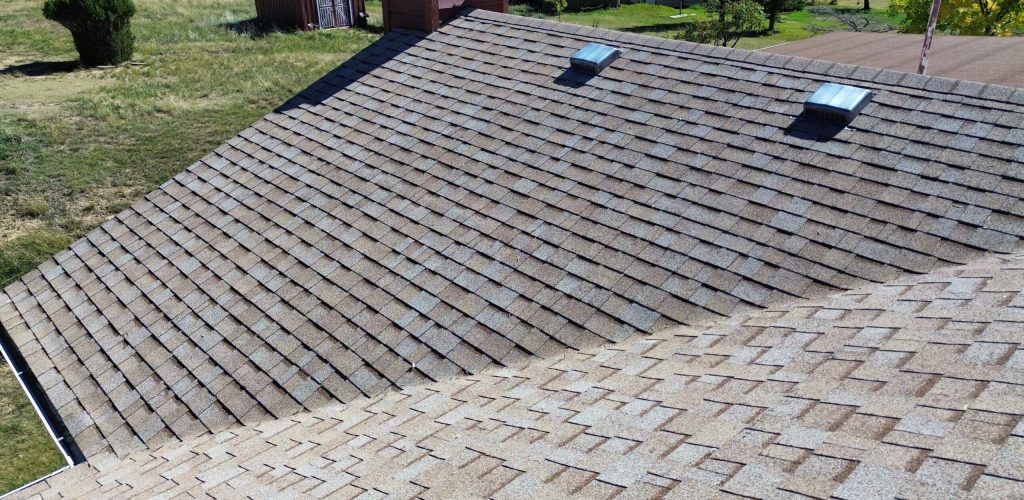

Homeowners along Colorado’s Front Range face some of the most demanding roofing conditions in the country. From destructive hailstorms and powerful downslope winds to relentless UV exposure and freeze-thaw cycles that repeat dozens of times each winter, your roof must withstand forces that accelerate wear, compromise seals, and turn small defects into costly leaks—often faster than you expect.
Roofing challenges across Colorado’s Front Range stem from the combined effects of hail, high winds, heavy snow, freeze-thaw cycles, intense high-altitude sun, rapid temperature swings, and wildfire-related exposure. Communities such as Denver, Aurora, Lakewood, Boulder, Colorado Springs, and Fort Collins experience varying combinations of these conditions. These factors demand roofing systems designed for impact resistance, proper ventilation, adequate snow-load capacity, wind uplift protection, and UV durability. Material selection, installation quality, and maintenance schedules should be tailored to local elevation, jurisdiction-specific building codes, and documented weather patterns rather than assumptions based solely on proximity or anecdotal reports.
TABLE OF CONTENTS
- Understanding Front Range Roofing Challenges: Climate and Geography
- Hail, Wind, and Storm Damage Risks
- Winter Weather: Snow Loads, Ice Dams, and Freeze-Thaw Cycles
- UV Exposure, Material Selection, and Building Code Compliance
- Insurance Claims, Maintenance, and Long-Term Roof Protection
KEY TAKEAWAYS
- Front Range geography and elevation create unique roofing demands that require systems engineered specifically for Colorado’s unpredictable weather patterns
- Impact-resistant materials and proper installation protect your home from hail and wind damage that can lead to costly repairs and insurance complications
- Proper attic ventilation and structural support prevent ice dams, snow accumulation issues, and repetitive freeze-thaw damage throughout winter months
- High-altitude UV exposure accelerates shingle aging, making material durability and code compliance essential for long-term performance and resale value
- Scheduled inspections and proactive maintenance extend roof lifespan, simplify insurance claims, and eliminate unexpected emergency repairs
The sections ahead break down exactly how these climate factors threaten your roof’s integrity, which materials and installation methods provide proven protection, and how proactive maintenance and strategic planning prevent emergency repairs while maximizing your investment across decades of Colorado weather.
Understanding Front Range Roofing Challenges: Climate and Geography
The Front Range corridor stretches more than 180 miles along the eastern edge of the Rocky Mountains, creating a collision zone where mountain weather systems meet the high plains. This geographic position exposes roofs to sudden atmospheric changes that other regions rarely experience. Elevation differences of several thousand feet within short distances mean that a single storm system can deliver hail in one neighborhood, heavy snow in another, and damaging winds across both. These rapid transitions prevent roofs from acclimating to stable conditions, accelerating material fatigue and structural stress across all seasons.
Front Range roofing challenges intensify as elevation increases, with communities above 6,000 feet experiencing UV radiation levels 25 percent higher than coastal areas at sea level. Temperature swings of 40 to 60 degrees within 24 hours create expansion and contraction cycles that loosen fasteners, crack sealants, and separate flashing from substrate materials. Professional roof inspections identify these climate-induced defects before they compromise waterproofing layers, preventing minor issues from escalating into full system failures that require emergency intervention and costly insurance claims.
Hail, Wind, and Storm Damage Risks
Colorado ranks among the top three states for annual hail damage, with the Front Range experiencing an average of nine hail days per year and individual storms producing hailstones exceeding two inches in diameter. These impacts fracture asphalt granules, dent metal panels, crack tile surfaces, and compromise the waterproof membrane beneath visible roofing materials. Wind gusts exceeding 70 mph accompany many hailstorms, creating uplift forces that tear shingles from decking, bend flashing, and expose underlayment to moisture infiltration. The combination of impact and uplift damage often remains invisible from ground level until leaks develop months later.
Front Range roofing challenges related to storm damage require impact-resistant materials rated Class 4 by UL 2218 testing standards, which demonstrate proven resilience against two-inch steel balls dropped from specific heights. Proper installation techniques including six-nail patterns, reinforced starter strips, and sealed valleys prevent wind-driven failures during severe weather events. Recognizing hail damage indicators immediately after storms allows homeowners to document losses accurately, file timely insurance claims, and schedule repairs before secondary water damage voids coverage or escalates restoration costs beyond policy limits.
Winter Weather: Snow Loads, Ice Dams, and Freeze-Thaw Cycles
Front Range winter conditions subject roofs to snow accumulations ranging from light dustings to three-foot drifts within single storm cycles, with load requirements varying by elevation and local building codes. Inadequate structural support causes sagging, ponding, and catastrophic collapse in extreme cases, while improper attic ventilation creates temperature differentials that melt snow at the ridge and refreeze it at eaves. These ice dams block drainage pathways, forcing meltwater beneath shingles and into wall cavities where it saturates insulation, damages ceilings, and promotes mold growth throughout spring months.
Freeze-thaw cycles repeat 60 to 90 times annually across the Front Range, expanding trapped moisture within roofing materials and substrate layers during nighttime freezes before thawing during daytime warmth. This repetitive expansion cracks sealants, separates flashing joints, and deteriorates fastener connections faster than aging alone. Front Range roofing challenges during winter demand proper attic ventilation ratios, adequate insulation R-values, and sealed penetrations that prevent thermal bridging. Winter preparation protocols including gutter cleaning, flashing inspection, and ventilation assessment eliminate conditions that accelerate ice dam formation and freeze-thaw damage throughout the coldest months.
UV Exposure, Material Selection, and Building Code Compliance
High-altitude UV radiation across the Front Range degrades asphalt shingles 30 to 40 percent faster than identical products installed at lower elevations, breaking down petroleum-based binders and causing granule loss that exposes underlying mat materials. This accelerated aging reduces expected service life, triggers premature brittleness, and necessitates replacement years before manufacturers’ warranty periods expire. Material selection must account for UV-resistant formulations, reflective coatings, and enhanced granule adhesion designed specifically for Colorado’s intense solar exposure rather than generic products engineered for moderate climates.
Building codes across Front Range jurisdictions specify minimum wind ratings, fire resistance classifications, and snow load capacities based on local weather data and elevation-specific risk factors. Front Range roofing challenges related to code compliance affect insurance coverage, resale value, and legal liability when systems fail to meet adopted standards. Fire-resistant roofing requirements have expanded across wildfire-prone areas, mandating Class A ratings and ember-resistant construction details that protect homes during wind-driven ember storms. Proper material selection and installation techniques that exceed minimum code requirements provide long-term performance advantages while simplifying permit approvals and insurance underwriting processes.
Insurance Claims, Maintenance, and Long-Term Roof Protection
Insurance claim complexities increase when homeowners delay storm damage inspections or fail to document losses immediately after hail and wind events. Carriers require proof that damage resulted from specific covered perils rather than deferred maintenance or gradual deterioration, making timely professional assessments critical for successful claims. Front Range roofing challenges related to insurance involve understanding actual cash value versus replacement cost coverage, recognizing depreciation schedules, and navigating claim denials based on age or condition disputes that arise when documentation proves insufficient.
Scheduled maintenance protocols including biannual inspections, prompt minor repairs, and detailed photographic records extend roof lifespan while simplifying insurance claims and preventing emergency failures. Professional contractors identify developing issues during routine assessments, allowing homeowners to address small problems before they escalate into system-wide failures requiring full replacement. Proactive maintenance strategies reduce long-term costs, preserve warranty coverage, and maintain property values across decades of Front Range weather exposure. Establishing relationships with qualified local contractors ensures rapid response during storm seasons and provides documented service histories that support insurance claims and demonstrate responsible property stewardship during resale transactions.
Protecting your home from Front Range roofing challenges requires understanding how Colorado’s unique climate accelerates wear, selecting materials engineered for local conditions, and maintaining documentation that supports both insurance claims and long-term system performance. The combination of hail impacts, freeze-thaw cycles, UV degradation, and sudden temperature swings creates repair scenarios that develop faster than many homeowners anticipate, making proactive inspections and timely interventions essential for avoiding emergency replacements and maximizing your roofing investment. Whether you need storm damage assessment, seasonal maintenance, or guidance on material upgrades that meet current building codes, working with contractors who understand Front Range-specific demands ensures your roof delivers the protection and durability your family deserves. For professional inspections, repairs, or complete roof replacements tailored to Colorado weather patterns, contact Just Roofs and Gutters to schedule a comprehensive evaluation that identifies vulnerabilities before they escalate into costly problems.
How often should I inspect my roof if I live in a high-hail area along the Front Range?
Homeowners in frequent hail corridors should schedule professional inspections twice annually—once in early spring after winter weather subsides and again in late fall before snow season begins. Additionally, arrange for a post-storm assessment within 72 hours after any hail event, even if you observe no obvious damage from ground level. Many insurance policies require prompt notification of potential losses, and hidden damage such as fractured granules or compromised sealants often progresses into leaks before becoming visible. Maintaining dated inspection records strengthens insurance claims and provides documentation that separates storm damage from normal wear, protecting your coverage and preventing disputes during the claims process.
Can proper ventilation really prevent ice dams, or do I need to replace my entire roof?
Adequate attic ventilation combined with proper insulation levels prevents most ice dam formation without requiring full roof replacement. Ice dams develop when heat escapes from living spaces into attic areas, warming the roof deck enough to melt snow that then refreezes at colder eaves. Installing balanced intake and exhaust ventilation maintains uniform roof temperatures that prevent this melting-refreezing cycle. In many cases, adding soffit vents, ridge vents, or baffles costs significantly less than replacement while eliminating the conditions that cause ice dams. However, if your roof already suffers extensive damage from repeated freeze-thaw cycles or lacks adequate structural support for snow loads, replacement may provide the opportunity to integrate modern ventilation systems alongside code-compliant materials designed for Colorado’s demanding winter conditions.
Do impact-resistant shingles actually justify their higher cost in Colorado?
Impact-resistant Class 4 shingles typically cost 10 to 20 percent more than standard products but deliver measurable financial benefits that offset initial investment. Many insurance carriers offer premium discounts ranging from 20 to 35 percent for homes with Class 4 roofing, recouping the material upgrade cost within three to five years through reduced annual premiums. Beyond insurance savings, impact-resistant products demonstrate longer service life in hail-prone areas by resisting granule loss and membrane damage that accelerates replacement timelines for standard shingles. Given that Front Range homes average nine hail days annually, the enhanced durability reduces the frequency of storm-related repairs and extends the interval between full replacements, protecting both your immediate budget and long-term property value.
Citations:
https://www.roofingstormdamage.com/roofing/colorado
https://www.iasolutions.claims/blog/state-by-state-roofing-code-requirements-2026
https://roofkey.com/roofing-guidelines-examples.html
https://coloradoroofauthority.com/safety-context-and-risk-boundaries-for-colorado-roofing
https://www.oneclickcode.com/colorado-building-and-roofing-codes