
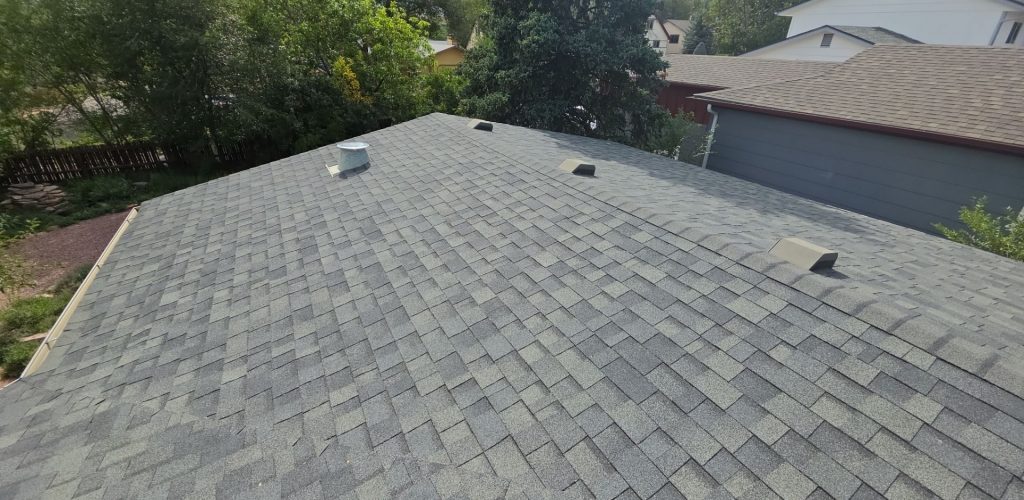

When your roof sits exposed to Colorado’s unpredictable weather—hail, high winds, snow, and intense UV—knowing what professionals examine during an inspection helps you stay ahead of costly surprises. Whether you’re preparing for winter, recovering from a summer storm, or planning to list your home, understanding the inspection process empowers you to make informed decisions about repairs, replacements, and insurance claims.
A Colorado Springs roof inspection is a systematic evaluation of your roof’s exterior components, interior conditions, drainage system, structural integrity, and code compliance. Professional contractors examine shingles for hail bruises, wind damage, and aging; inspect flashing around chimneys, vents, and valleys; assess attic ventilation and moisture signs; check the roof deck for soft spots or sagging; and evaluate gutters, downspouts, and water-management systems. Inspections document the location, severity, likely cause, and recommended action for each defect, distinguishing between functional damage that affects performance and cosmetic damage that impacts appearance.
TABLE OF CONTENTS
- What a Colorado Springs Roof Inspection Actually Covers
- Exterior Roof Components and Storm Damage Evaluation
- Structural and Interior Components in a Colorado Springs Roof Inspection
- Climate-Specific Inspection Considerations and Code Compliance
- Choosing a Qualified Inspector and Understanding Your Report
KEY TAKEAWAYS
- Professional inspections evaluate every layer of your roofing system to protect your home from Colorado’s demanding climate
- Inspectors document hail bruises, wind damage, and aging patterns that directly impact your roof’s performance and longevity
- Attic ventilation, moisture signs, and deck integrity reveal hidden problems before they escalate into expensive repairs
- Colorado-specific weather patterns and local building codes shape every recommendation in your inspection report
- Detailed reports distinguish functional damage from cosmetic issues, giving you clarity for insurance claims and repair decisions
The following sections break down exactly what inspectors examine on your roof, inside your attic, and throughout your drainage system—so you’ll know which findings demand immediate action and which you can monitor over time.
What a Colorado Springs Roof Inspection Actually Covers
A Colorado Springs roof inspection begins with a comprehensive evaluation of every visible roofing component, from ridge caps to eaves. Inspectors examine shingles or tiles for cracks, missing pieces, granule loss, and impact marks left by hail. They scrutinize flashing around chimneys, skylights, plumbing vents, and valleys where water concentrates during snowmelt and rainstorms. Sealants, caulking, and boot covers receive close attention since UV exposure and temperature swings cause these materials to crack and separate. Inspectors also assess the condition of drip edges, fascia boards, and soffit vents that protect your roof deck from moisture intrusion.
Beyond the surface, professionals inspect your attic space for ventilation efficiency, insulation levels, moisture stains, and signs of condensation that indicate poor airflow. They check the underside of the roof deck for soft spots, sagging, or water damage that compromises structural integrity. Gutters and downspouts are evaluated for blockages, proper slope, secure attachment, and effective water discharge away from your foundation. This multi-layered approach ensures that a Colorado Springs roof inspection captures both visible storm damage and hidden deterioration that could lead to leaks, mold growth, or premature system failure.
Exterior Roof Components and Storm Damage Evaluation
Inspectors document hail damage by identifying bruises on shingle surfaces—circular depressions where impact fractures the mat beneath granules without immediately creating holes. Wind damage appears as lifted, creased, or torn shingles along edges and ridges where uplift forces concentrate during Colorado’s frequent high-wind events. Inspectors measure granule loss across different roof planes, noting whether deterioration stems from age, UV exposure, or storm impacts. They photograph each defect with precise location markers and severity ratings that insurance adjusters require for claim processing. Understanding hail damage warning signs helps you recognize when professional evaluation becomes necessary.
Flashing receives detailed scrutiny because improper installation or storm damage at these transition points causes most roof leaks. Inspectors check step flashing along sidewalls, counter flashing around chimneys, and valley flashing where roof planes intersect. They test pipe boot seals for cracks and examine skylight curbs for separation or moisture penetration. Ridge vents and turbine vents are assessed for secure mounting, proper sealing, and freedom from debris that blocks airflow. Every exterior finding is categorized as functional damage requiring repair or cosmetic damage affecting appearance, giving you clarity for prioritizing work and negotiating insurance settlements.
Structural and Interior Components in a Colorado Springs Roof Inspection
Attic inspections reveal problems invisible from the roof surface. Inspectors measure insulation depth to ensure compliance with energy codes and check for even distribution that prevents ice dam formation. They examine rafters, trusses, and roof decking for cracks, splits, or sagging caused by snow loads or age-related deterioration. Moisture stains on sheathing indicate active or past leaks that require immediate attention before mold colonies develop. Proper ventilation balance between intake vents at soffits and exhaust vents at ridges prevents condensation that rots wood and shortens shingle life. Knowing why water travels inside homes helps you understand how interior findings connect to exterior damage.
Inspectors also evaluate structural components for code compliance and safety. They check for adequate rafter spacing, proper fastener types, and correct sheathing thickness that supports snow loads common in Colorado Springs. Electrical penetrations, bathroom exhaust vents, and kitchen range hoods are inspected for proper sealing and clearance from combustible materials. Any signs of animal intrusion, nest building, or chewed wiring are documented with recommendations for pest control and repairs. This thorough interior assessment during a Colorado Springs roof inspection identifies hidden risks that could compromise your home’s safety, energy efficiency, and long-term structural integrity.
Climate-Specific Inspection Considerations and Code Compliance
Colorado Springs sits in a unique climate zone where inspectors must account for intense UV radiation at high altitude, rapid temperature fluctuations, heavy snow loads, and frequent hail events. Inspectors evaluate whether your roofing materials meet local wind-resistance ratings and impact-resistance classifications required by insurance carriers. They verify that installation methods comply with Pikes Peak Regional Building Department standards for fastener patterns, underlayment types, and ice-and-water barrier placement. Class 4 impact-resistant shingles receive special attention since many insurance policies now mandate or incentivize their use. Understanding insurance policy changes helps you anticipate coverage requirements that influence inspection priorities.
Inspectors also assess your roof’s ability to handle seasonal challenges specific to the region. They check for proper cricket installation behind chimneys that prevents snow and ice accumulation. Valley configurations are evaluated for capacity to handle spring runoff from rapid snowmelt. Gutter systems are inspected for adequate sizing and secure mounting that withstand ice loads without pulling away from fascia boards. Fire-resistant materials and ember-resistant vents receive attention in areas near wildland interfaces. Every climate-related finding in your Colorado Springs roof inspection includes recommendations aligned with local building codes, manufacturer specifications, and best practices for long-term performance in demanding Front Range conditions.
Choosing a Qualified Inspector and Understanding Your Report
Qualified inspectors carry proper licensing, insurance, and manufacturer certifications that demonstrate expertise in Colorado roofing systems. They provide detailed written reports with photographs, location diagrams, and clear descriptions of each defect’s severity and recommended action. Reports distinguish between immediate repairs that prevent further damage, maintenance items that extend roof life, and monitoring points that require periodic reassessment. Inspectors explain whether damage qualifies as a warrantable defect, an insurance claim, or normal wear requiring homeowner responsibility. Choosing contractors who understand costly insurance claim mistakes ensures your inspection supports successful claim outcomes when storm damage occurs.
Your inspection report should include repair cost estimates, expected timelines, and material recommendations suited to Colorado’s climate. Inspectors explain how findings affect your home’s insurability, resale value, and long-term maintenance budget. They clarify which repairs you can defer and which demand immediate attention to prevent water intrusion or structural compromise. A comprehensive Colorado Springs roof inspection gives you the documentation needed for insurance claims, contractor bids, and informed decisions about repair versus replacement. This professional assessment protects your investment by identifying problems early, preventing emergency failures, and ensuring your roofing system delivers the performance and longevity you expect.
A thorough Colorado Springs roof inspection gives you the detailed knowledge needed to protect one of your largest investments from the challenges of Front Range weather. When you understand what professionals examine—from hail-damaged shingles to compromised attic ventilation—you can prioritize repairs that preserve your home’s structural integrity, maintain insurance coverage, and prevent costly emergency failures. Working with qualified inspectors who document every finding with clarity and precision ensures you receive actionable information for insurance claims, contractor negotiations, and long-term maintenance planning. If your roof has faced recent storms or simply needs a comprehensive evaluation before winter arrives, schedule a professional inspection that delivers the transparency and expertise Colorado homeowners deserve for making confident decisions about their roofing systems.
How often should Colorado Springs homeowners schedule roof inspections if there hasn’t been recent storm damage?
Even without visible storm damage, Colorado’s intense UV radiation, temperature extremes, and seasonal weather cycles gradually degrade roofing materials in ways you won’t notice from the ground. Schedule professional inspections every three to five years for newer roofs in good condition, and annually for roofs approaching fifteen years or showing signs of aging. Spring inspections after winter snow loads and fall evaluations before harsh weather arrives help you catch deterioration early, plan maintenance budgets, and avoid surprise failures that force emergency repairs during Colorado’s unpredictable weather windows.
What’s the difference between a roof inspection and a roof certification, and which one do I need?
A roof inspection provides a detailed evaluation of your system’s current condition with documented defects and repair recommendations, while a roof certification is a formal statement that your roof meets specific performance standards and will likely remain serviceable for a defined period—typically one to five years. Lenders often require certifications for mortgage approvals, and insurance companies may request them for policy renewals or coverage adjustments. If you’re buying, selling, or refinancing a home, ask your inspector whether you need a standard inspection report or a formal certification that includes liability coverage for the inspector’s assessment of remaining roof life.
Can I use my inspection report to negotiate repairs with a seller or challenge my insurance company’s damage assessment?
A detailed inspection report from a qualified, insured contractor carries significant weight in real estate negotiations and insurance claim disputes because it provides objective documentation of damage location, severity, and probable cause. When selling, buyers may request credits or repairs based on inspection findings, and your report helps you respond with accurate cost estimates and prioritization of necessary work versus deferred maintenance. For insurance claims, an independent inspection can support your case when adjusters underestimate damage or deny coverage, though you’ll want to ensure your inspector understands insurance claim protocols and provides documentation that meets carrier requirements for successful claim resolution.
Citations:
https://americanroofingguide.com/states/colorado/colorado-springs
https://www.yourcommercialroofer.com/service-areas/colorado-springs
https://lnconstructionllc.com/colorado-springs-co
https://www.pprbd.org/File/ByAlias/ReroofGuidelines
https://www.csrr-co.com/services/roof-repairs